
NEWS
THE NEWS WE CONSIDER MOST RELEVANT TO THE AREAS WE WORK IN
McDonald’s Loses Trademark Opposition Case
The Madrid Provincial Court upholds “MACAS” and rejects McDonald’s opposition: even with a well-known trademark, there is no infringement if there is insufficient similarity and no real risk of confusion among the public.
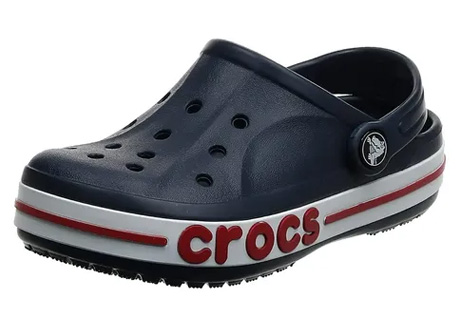
CROCS LOSES ITS DESIGN PROTECTION
The CJEU redefines “pastiche” in the EU: it is not considered a catch-all category, but rather a form of creative dialogue that is recognizable in relation to the original work. Furthermore, it is sufficient for this character to be objective; there is no need to prove subjective intent.
TJUE – Pastiche
The CJEU redefines “pastiche” in the EU: it is not considered a catch-all category, but rather a form of creative dialogue that is recognizable in relation to the original work. Furthermore, it is sufficient for this character to be objective; there is no need to prove subjective intent.
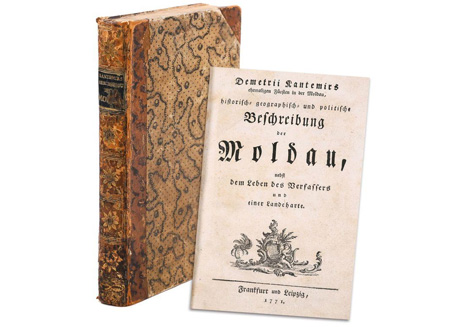
TJUE – Critical edition-Prof.Slușanschi
Copyright protection of critical editions of public domain works. A critical edition may be considered a protected work even if its purpose is to reconstruct a pre-existing work, provided that it includes adaptations, additions, commentary, and critical apparatus that form a coherent whole.
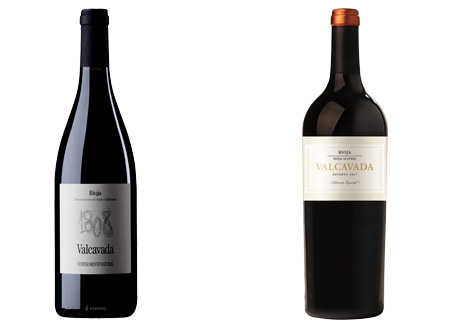
VALCAVADA belongs to no one
Valcavada cannot be monopolised: the Supreme Court has dismissed Samaniego’s claim and upheld the use of the place name in a composite trademark, finding no likelihood of confusion or free-riding on another’s reputation.
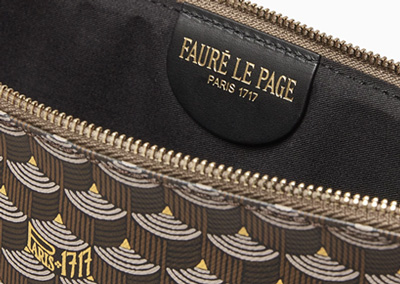
TJUE – Fauré Le Page Paris 1717 vs Goyard
The ruling reinforces the legal principle that a trade mark may be misleading where, by suggesting a business history that does not exist, it leads consumers to attribute to the goods a quality and prestige that do not correspond to reality.

Laureano Oubiña c./ Atresmedia Corporación de Medios de Comunicación S.A.; Bambú Producciones S.L. and Netflix International BV.
The ruling consolidates the doctrine on the reinforced protection of the freedom of artistic creation when the work is fictional, even if it reproduces recognizable elements of real people.
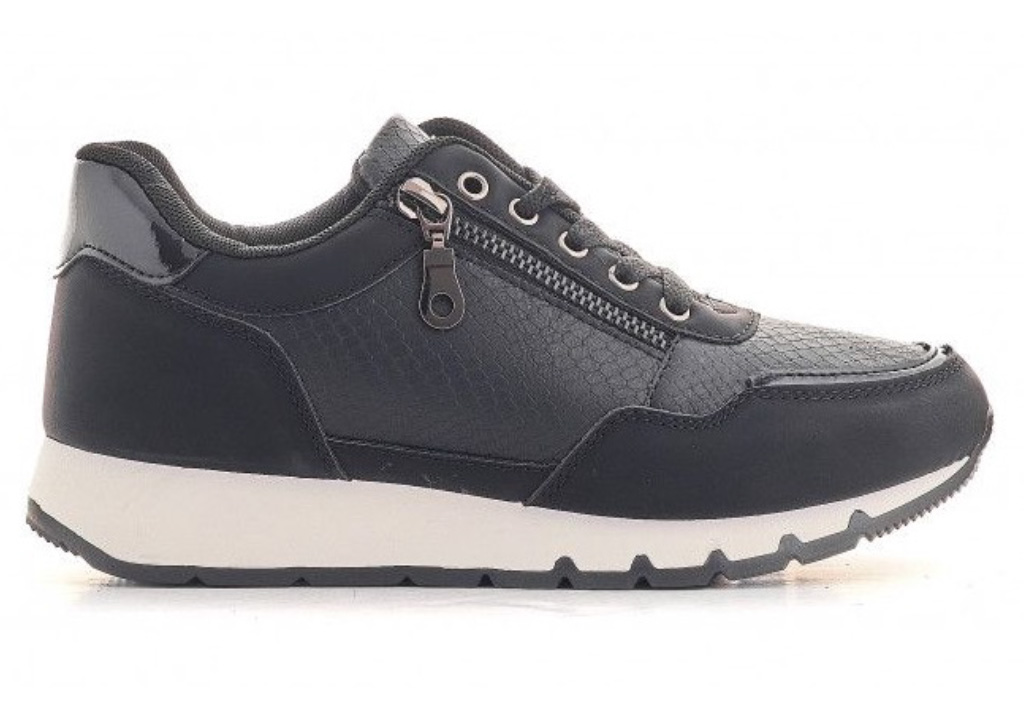
Deity Shoes v. Mundorama Confort and Stay Design
JUDGMENT OF THE COURT OF JUSTICE (Second Chamber) of 18 December 2025
Fashion, by its very nature, does not justify lowering the threshold of differentiation required to appreciate uniqueness in a design.
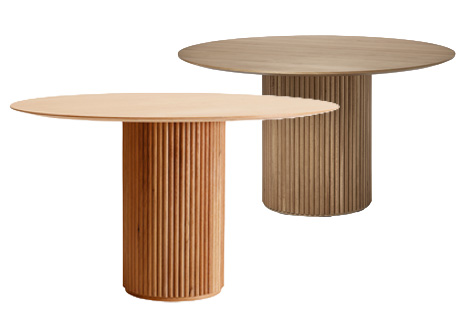
CJEU sets the originality standard in furniture design: Mio and USM Haller cases
The CJEU rules in Mio/Asplund and USM/Konektra, rejecting a higher originality threshold for applied art and clarifying when industrial designs get copyright protection beyond mere visual similarity.